


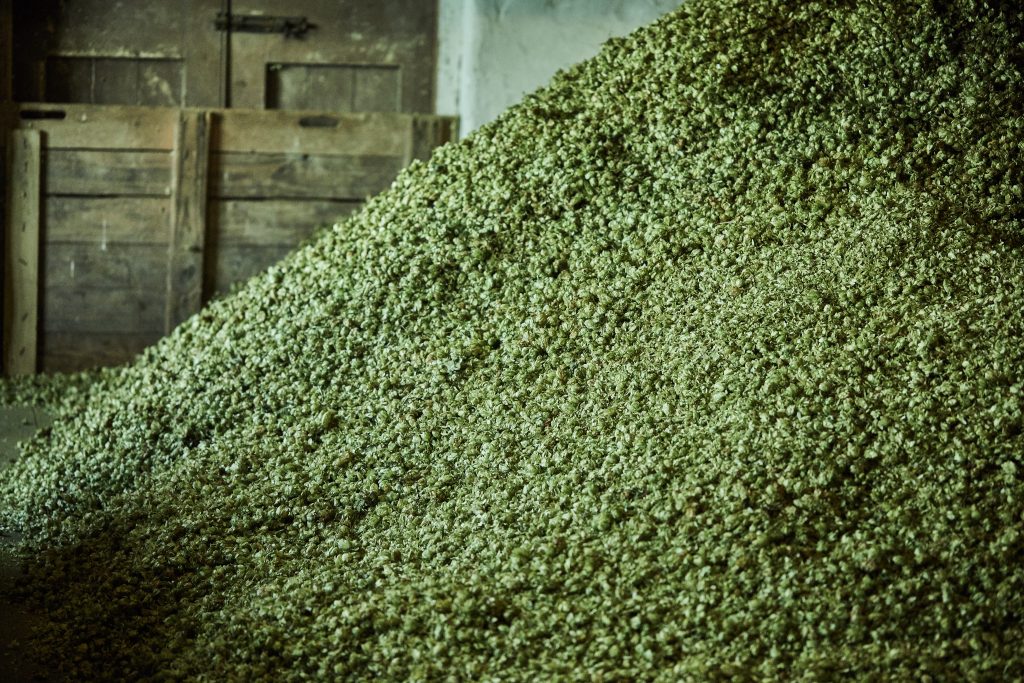
The Perfect Dual Purpose Hop
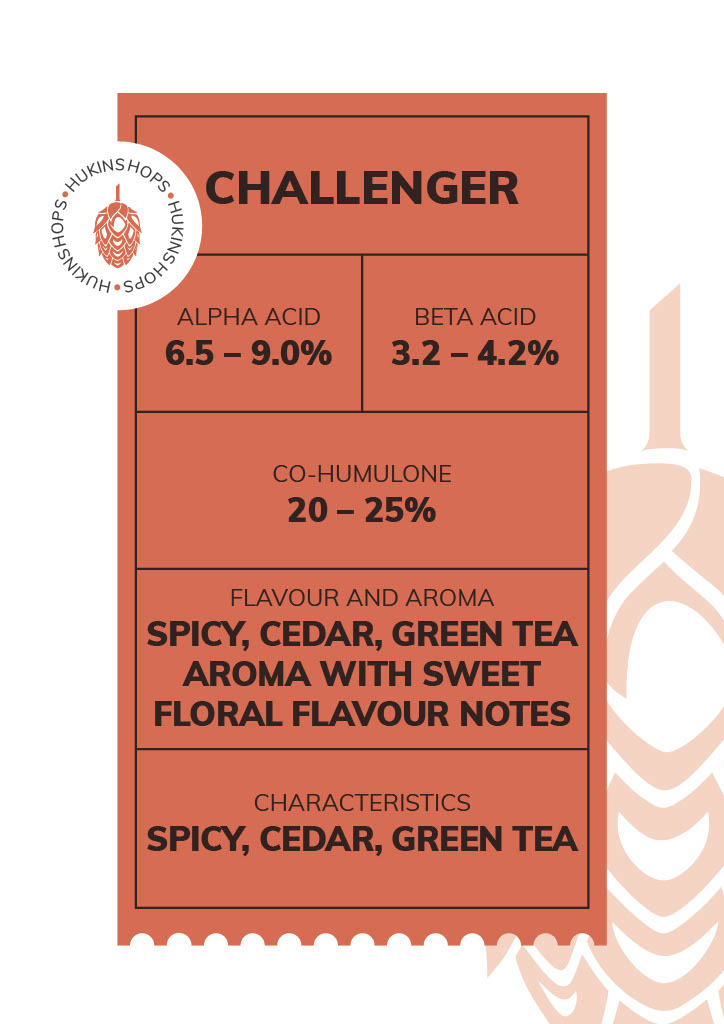
The Challenger hop is a pivotal chapter in the history of British brewing, marking a transition from traditional, rustic flavors to the more refined, purposeful bitterness that defines many classic English Bitters and Pale Ales.
Introduced at a time when the brewing industry was desperate for modernization, Challenger wasn’t just a new ingredient—it was a survival strategy for the British hop farm.

The Origin Story: Wye College
The story begins in the 1960s and early 70s at Wye College in Kent, England. At the time, hop researchers were looking for a “dual-purpose” hop—something that could provide both a clean bitterness and a pleasant aroma.
The man behind the curtain was Dr. Ray Neve, a legendary hop breeder. He sought to cross-breed traditional varieties with more resilient strains to combat the devastating “Wilt” diseases that were ravaging the hop gardens of Kent
Challenger the “granddaughter” of the famous Northern Brewer hop would be officially Released to the brewing world in 1972 and has been a staple in British Beers ever since.
The use of Challenger in Today’s Brewing
Throughout the 1980s and 90s, Challenger became the backbone of the British “Real Ale” movement. If you’ve ever sat in a London pub and enjoyed a pint of Fuller’s ESB you’ve tasted the influence of the Challenger hop.
Providing a “cleaner” profile than the Fuggles, it allows brewers to create beers that feel more polished and refreshing while still maintaining that spicy, herbal British character.
Best Uses for Challenger
- Base Bittering: Its smooth delivery makes it a perfect foundation for complex malt bills.
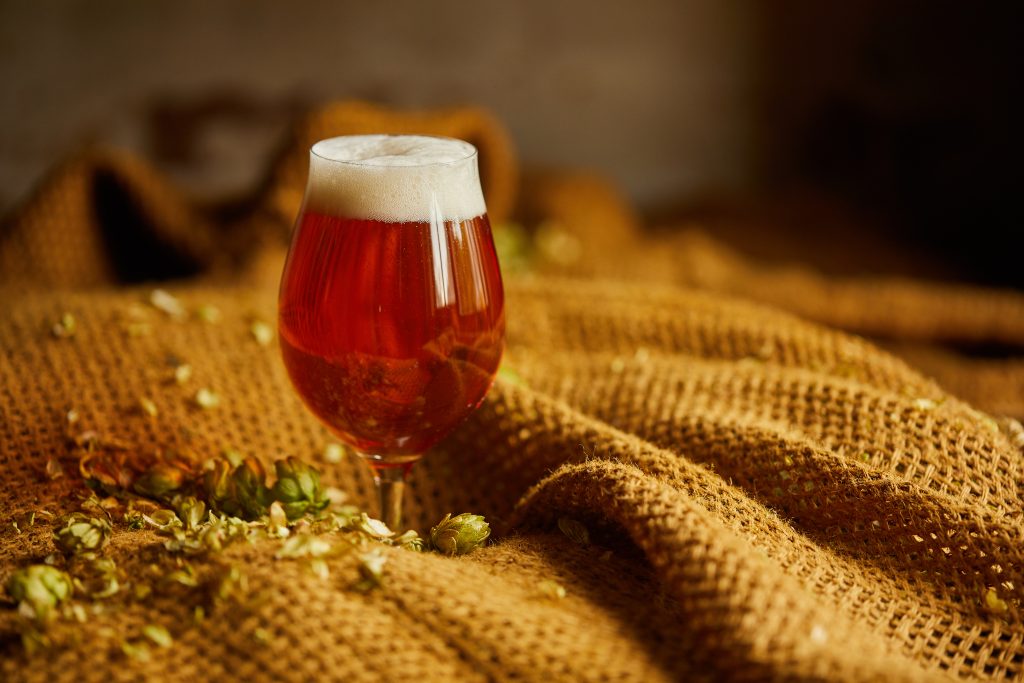
- Dry Hopping: In smaller doses, it provides a sophisticated, woody aroma that citrus-heavy hops can’t replicate.
- Barleywines: Its high resin content helps balance the intense sweetness of strong ales.
For any more information on our challenger or any other hops that we grow please feel free to contact me glenn@hukins-hops.co.uk